Conversational AI Strategy: Building Brands for 2026


Building a Conversational AI-First Brand: The 2026 Strategic Blueprint
The way brands communicate is changing fast. Websites, emails, and apps still matter, but conversations are becoming the primary interface between businesses and customers. By 2026, brands that win will not be the loudest or the most visible. They will be the ones that are easiest to talk to. At the center of this shift is conversational AI, which is redefining how trust, engagement, and loyalty are built at scale.
A conversational-first brand is not just one that uses chatbots. It is a brand that designs every interaction around dialogue, context, and responsiveness.
Why Conversational AI Is Now a Brand Strategy
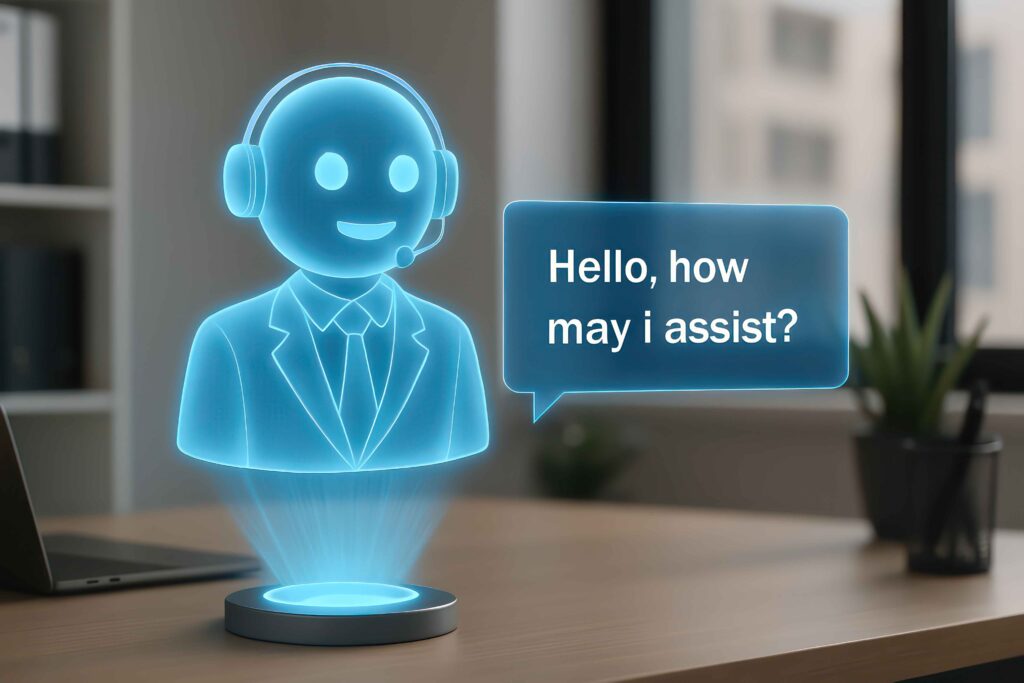
Conversational AI has moved beyond customer support automation. Today, it influences how users discover products, ask questions, make decisions, and receive post-purchase support. Customers expect immediate, relevant, and human-like responses across channels.
In 2026, conversational AI is no longer an add-on. It is a core part of brand experience. Whether a user is browsing a website, using a mobile app, or messaging on a platform like WhatsApp, they expect the brand to respond intelligently and consistently.
This shift forces businesses to rethink communication not as content delivery, but as an ongoing conversation.

The Evolution of Conversational AI Models
Early chatbots followed scripts and decision trees. Modern conversational AI models understand intent, context, and sentiment. They learn from interactions and improve over time.
Conversational AI models today are trained on large datasets and fine-tuned for specific business needs. They can handle nuanced questions, manage multi-step interactions, and adapt responses based on user behavior.
For brands, this means conversations can feel natural without being unpredictable. The technology is finally mature enough to support real customer journeys instead of simple question-and-answer flows.
Designing a Conversational-First Customer Experience
A conversational-first brand designs interactions around how people naturally communicate. This requires clarity, empathy, and consistency across every touchpoint.
Instead of forcing users to navigate menus or forms, conversational interfaces guide them through actions using dialogue. This reduces friction and improves engagement.
The key is not to automate everything, but to automate intelligently. Conversational AI should handle routine interactions while escalating complex or sensitive cases to humans. This balance preserves trust and efficiency.

Building a Strategic Plan Process Around Conversations
To succeed, conversational AI must be part of a broader strategic plan process. This means aligning AI initiatives with business goals rather than deploying tools in isolation.
A strong conversational strategy begins by identifying where conversations matter most. This could be lead qualification, onboarding, customer support, or retention. Each use case should have clear success metrics tied to business outcomes.
Next, brands must ensure their conversational systems are connected to the right data sources. Context is what turns a chatbot into a meaningful brand interaction. Without it, conversations remain generic.
Finally, governance is essential. Businesses need rules around data access, tone of voice, and escalation paths. Conversational AI should reflect brand values, not undermine them.

Consistency Across Channels Is the New Standard
Customers do not see channels. They see a brand. A conversational-first approach ensures that a user receives consistent answers whether they interact via web chat, mobile app, or messaging platforms.
This requires centralized conversational intelligence. Conversations should carry context across channels so users do not have to repeat themselves. This continuity is one of the biggest advantages of modern conversational AI.
Brands that fail to unify conversations risk creating fragmented experiences that frustrate users and weaken trust.
Responsible Use of Conversational AI
As conversational AI becomes more powerful, responsibility becomes non-negotiable. Brands must ensure transparency, data privacy, and ethical use of AI.
Responsible conversational AI includes clear disclosure when users are interacting with AI, protection of sensitive data, and regular monitoring of AI outputs. It also means avoiding over-automation in situations where human judgment is required.
Trust is the currency of conversational-first brands. Once lost, it is hard to regain.

Measuring Success in a Conversational-First World
Traditional metrics like page views and click-through rates are no longer enough. Conversational brands measure success through engagement quality, resolution speed, customer satisfaction, and conversion efficiency.
AI driven conversations generate rich insights about customer needs and pain points. Brands that analyze this data continuously can refine both their AI models and their broader customer strategy.
This feedback loop is what turns conversational AI into a long-term competitive advantage.
The 2026 Blueprint for Conversational Brands
By 2026, conversational-first brands will stand out not because they use AI, but because they use it well. They will design conversations intentionally, integrate conversational AI models deeply into workflows, and align every interaction with a clear strategic plan process.
The future of branding is not about broadcasting messages. It is about listening, responding, and evolving through conversation.
Final Thoughts
Conversational AI is reshaping how brands connect with people. Those who treat it as a strategic foundation rather than a tactical tool will lead in 2026. Building a conversational-first brand requires technology, discipline, and a deep understanding of human communication. When done right, it transforms every interaction into an opportunity to build trust and long-term value.
Start for free. Launch in minutes. Let your website talk.
Try botxpert today and build your ideal website chatbot.
check out our other blogs at blogs.botxpert
follow us on Linkedin @botxpert.ai for more business insights.