Business Growth Through Personalized Customer Communication


How Personalized Customer Communication drives business growth
Personalization is no longer a marketing trend. It is a core driver of business growth. Customers expect brands to understand their needs, remember their preferences, and communicate with relevance. Generic messages no longer work in a market where attention is limited, and competition is everywhere.
Businesses that invest in personalized communication build stronger relationships, improve retention, and create sustainable growth. This is not about sending more messages. It is about sending the right message at the right time.
Why Personalized Communication Matters
Customers interact with brands across multiple channels. Email, mobile apps, websites, social platforms, and messaging tools all shape perception. When communication feels generic, customers disengage.
Personalized communication improves customer engagement by making interactions feel relevant and valuable. When customers feel understood, trust increases. Trust leads to loyalty, and loyalty fuels long-term business growth.

From Mass Messaging to Meaningful Conversations
Traditional marketing relied on broad campaigns designed for everyone. Personalized communication flips this model. Messages are tailored based on behavior, preferences, history, and intent.
For example, a returning customer expects recommendations that reflect past purchases. A new user needs guidance, not promotions. Aligning communication with user context strengthens the overall business strategy.
How Personalization Improves Customer Engagement
Personalized communication meets customers where they are in their journey. Instead of forcing them through generic funnels, businesses respond to real needs.
This approach increases open rates, response rates, and interaction quality. More importantly, it reduces friction. Customers get answers, offers, and content that match their expectations, improving customer engagement across touchpoints.
How Personalized Communication Impacts Business Growth
| Customer Stage | Personalized Communication Example | Impact on Customer Engagement | Contribution to Business Growth |
| Awareness | Tailored content based on browsing behavior | Higher attention and relevance | Better lead quality and lower acquisition cost |
| Onboarding | Guided messages based on user actions | Faster product understanding | Reduced churn and quicker activation |
| Engagement | Personalized recommendations and updates | Increased interaction frequency | Higher usage and customer lifetime value |
| Conversion | Timely offers based on intent signals | Improved decision confidence | Higher conversion rates |
| Retention | Customized follow-ups and reminders | Stronger brand loyalty | Repeat purchases and stable revenue |
| Advocacy | Personalized rewards and referrals | Emotional connection with brand | Organic growth through referrals |
The Role of Data in Personalized Communication
Effective personalization relies on accurate data. Customer behavior, preferences, purchase history, and interaction patterns all inform better messaging.
When data is used responsibly, businesses deliver meaningful experiences without being intrusive. This balance is critical to building trust and driving business growth.
Automation Makes Personalization Scalable
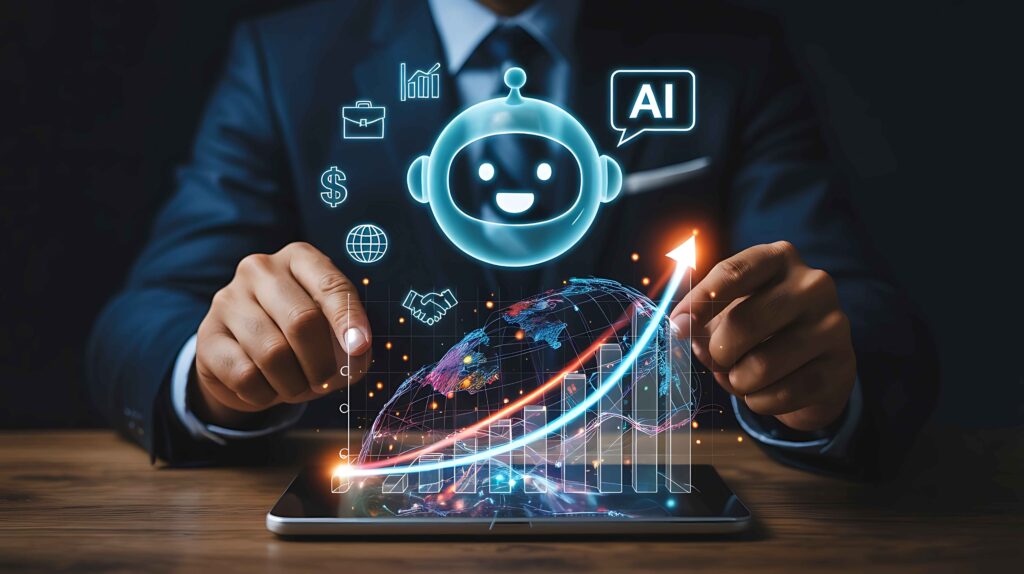
Personalized communication used to require manual effort. Today, automation and AI make it scalable. Systems can trigger messages based on actions, timelines, or behavior.
For example, onboarding messages can adapt to how users interact with a product. Follow-ups can be adjusted based on engagement levels. This alignment strengthens business strategy while keeping operations efficient.
Personalization Across the Customer Lifecycle
Personalized communication is not limited to acquisition. It impacts every stage of the customer life cycle.
While onboarding, it helps users understand value quickly. During engagement, it keeps interactions relevant. Post-purchase, it supports retention and advocacy. Each stage contributes to measurable business growth.
Common Mistakes to Avoid
Personalization fails when it is poorly executed. Overusing names, pushing irrelevant offers, or misusing data damages trust.
Effective personalization focuses on value, not volume. Messages should solve problems, answer questions, or provide timely insights. This approach strengthens customer engagement without overwhelming users.

Measuring the Impact on Business Growth
The impact of personalized communication is measurable. Businesses see higher retention, improved conversion rates, and increased lifetime value.
Metrics such as engagement rates, repeat purchases, and customer satisfaction reflect how personalization supports business growth. These insights help refine strategy and optimize future communication.
Personalized Communication as a Long-Term Strategy
Personalization is not a one-time campaign. It is an ongoing commitment to understanding customers better over time.
Businesses that embed personalized communication into their business strategy build resilience. They adapt faster, respond smarter, and maintain stronger customer relationships in changing markets.
Final Thoughts
Personalized customer communication is a powerful driver of business growth. It transforms one-way messaging into meaningful relationships and short-term transactions into long-term loyalty.
By focusing on relevance, timing, and value, businesses improve customer engagement and create sustainable growth. In a crowded digital landscape, personalization is no longer optional. It is the foundation of modern business success.
Start for free. Launch in minutes. Let your website talk.
Try botxpert today and build your ideal website chatbot.
check out our other blogs to know more. blogs.botxpert