AI Chatbot Platforms in 2026 for best user experience

7 Best AI Chatbot Platforms in 2026
AI chatbots are no longer simple tools for answering FAQs. In 2026, an AI chatbot is expected to understand context, personalize responses, integrate with business systems, and deliver a smooth user experience across channels. As customer expectations rise, choosing the right platform becomes a strategic decision rather than a technical one.
This guide highlights the 7 best chatbot platforms in 2026, focusing on usability, intelligence, and real business value. Each platform stands out for how it handles chatbot UX, scalability, and real-world deployment.
What Makes a Great AI Chatbot Platform in 2026
Before comparing platforms, it is important to understand what separates modern solutions from outdated ones. The best chatbot platforms today offer natural language understanding, easy integrations, strong analytics, and thoughtful chatbot UX. They allow businesses to build bots that feel conversational rather than robotic.
More importantly, these platforms support real chatbot examples that go beyond support and into sales, onboarding, and customer engagement.
1. Botxpert
Botxpert stands out for businesses that want control, security, and customization. It allows teams to build AI chatbots that are deeply connected to internal knowledge bases and workflows without compromising data privacy.
The platform focuses on responsible AI, permission-based data access, and smooth human handoff. Botxpert also offers strong chatbot UX customization, allowing brands to maintain tone and consistency across channels.
2. Google Dialogflow
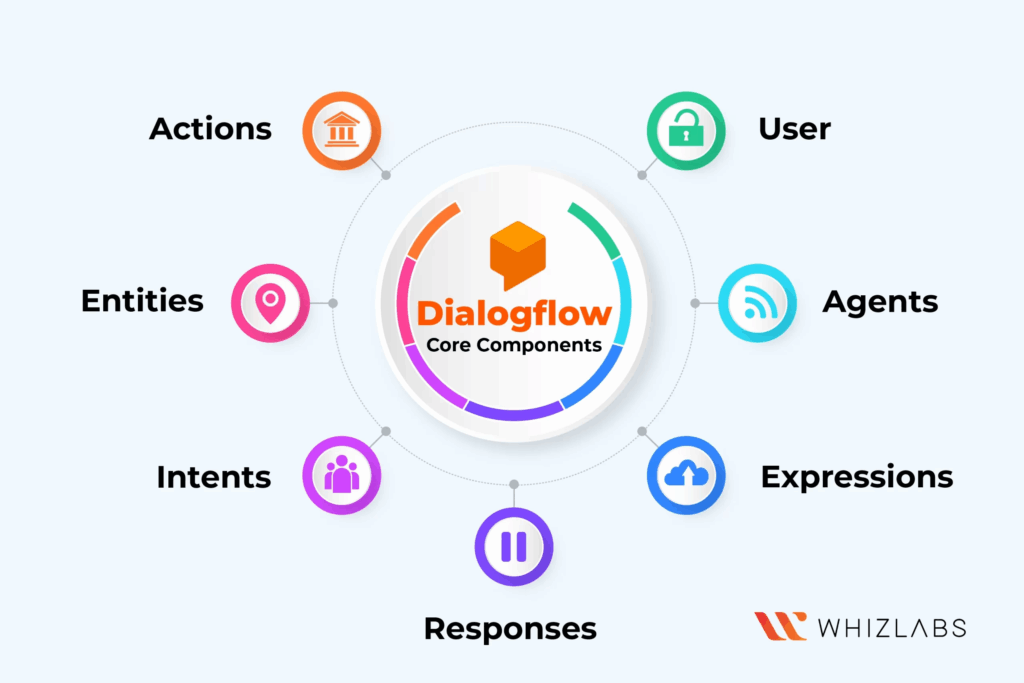
Dialogflow remains a powerful choice for teams with technical resources. Backed by Google’s AI ecosystem, it offers advanced language understanding and strong integration with voice and messaging platforms.
Dialogflow works well for complex chatbot examples, especially those involving multilingual support and voice assistants. However, it often requires developer involvement to fully unlock its potential.
3. Microsoft Copilot Studio
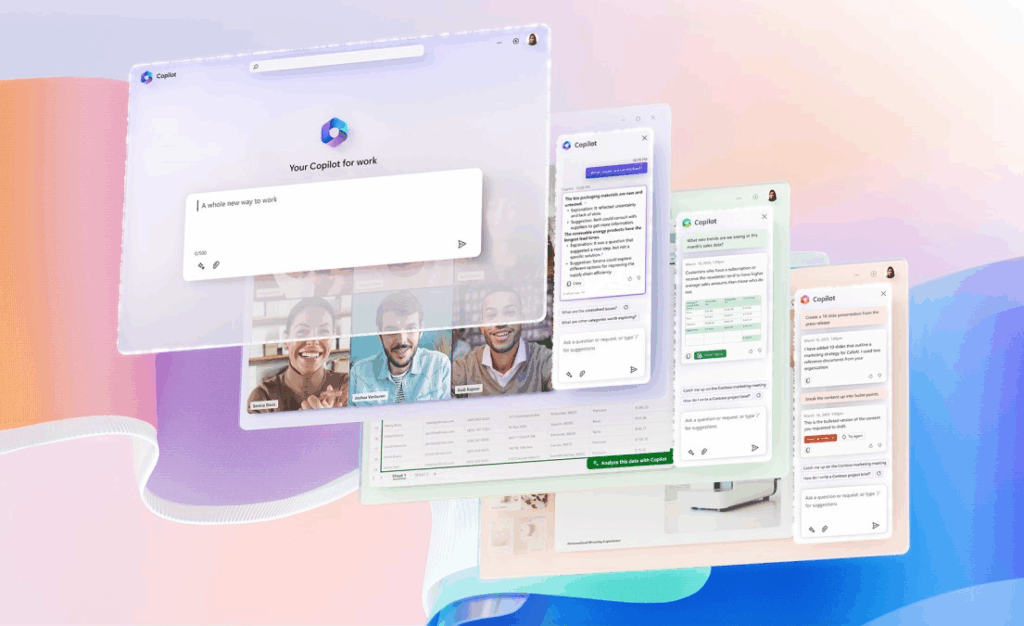
Microsoft Copilot Studio is gaining traction as enterprises look to build AI chatbots within the Microsoft ecosystem. It integrates smoothly with tools like Teams, Dynamics, and Office products.
Its strength lies in internal automation and employee support use cases. The platform is well suited for businesses that already rely heavily on Microsoft infrastructure.
4. IBM Watson Assistant
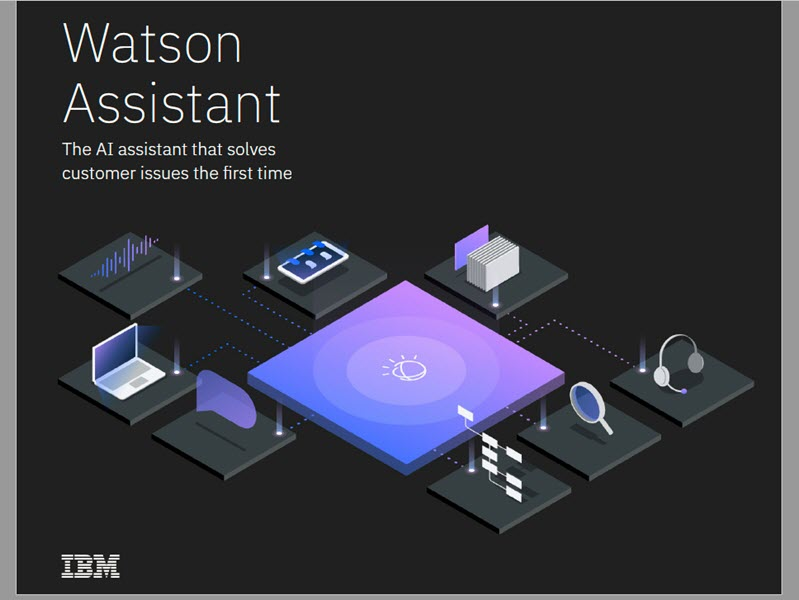
IBM Watson Assistant continues to be a trusted option for regulated industries. It offers strong intent recognition, analytics, and enterprise grade security.
Watson Assistant supports complex chatbot platforms use cases such as healthcare, finance, and customer service operations where compliance and accuracy matter more than speed.
5. Intercom
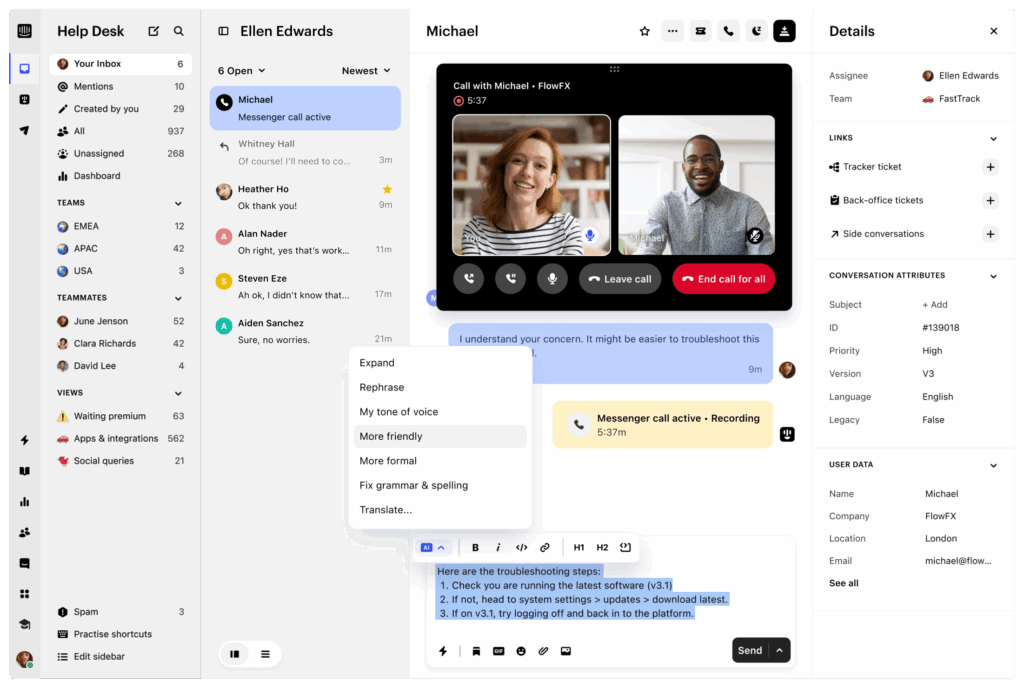
Intercom combines AI chatbots with live chat and customer engagement tools. It is especially popular with SaaS companies focused on onboarding and customer support.
The platform emphasizes chatbot UX by blending automation with human agents seamlessly. It excels at conversational flows that guide users through product education and issue resolution.
6. Zendesk AI
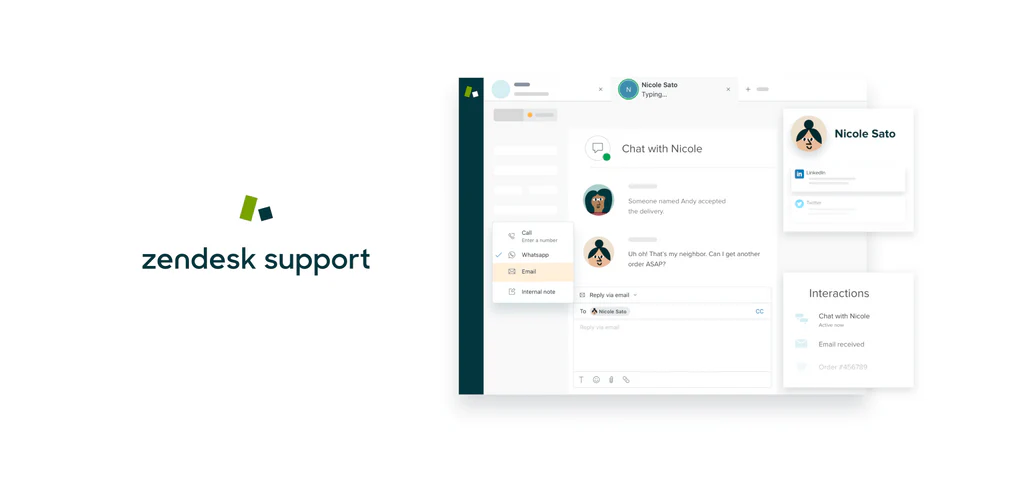
Zendesk AI extends traditional customer support with intelligent automation. It integrates directly with Zendesk’s ticketing system, making it ideal for support heavy organizations.
The platform focuses on resolving issues faster while maintaining consistent chatbot UX across help centers, chat, and messaging apps.
7. Rasa
Rasa is an open source chatbot platform favored by developers who want full control. It allows businesses to build highly customized AI chatbots and deploy them on private infrastructure.
Rasa is powerful but requires technical expertise. It is best suited for teams that need flexibility and are willing to invest in development resources.
Choosing the Right AI Chatbot Platform
Selecting the right AI chatbot platform depends on business goals, technical capacity, and customer expectations. Some platforms are optimized for speed and ease of use, while others prioritize control and scalability.
Businesses should evaluate how each platform handles chatbot UX, integration options, analytics, and security. Reviewing real chatbot examples helps determine whether a platform can support long term growth.
The Future of Chatbot Platforms
By 2026, AI chatbots are becoming core business interfaces. They are no longer optional add ons. They influence customer experience, operational efficiency, and brand perception.
The best chatbot platforms are those that balance intelligence with usability. They allow businesses to automate conversations while staying human, consistent, and trustworthy.
Final Thoughts
An AI chatbot is only as effective as the platform behind it. As chatbot platforms evolve, businesses must look beyond basic automation and focus on chatbot UX, integration, and real world performance.
Choosing the right platform in 2026 is not about features alone. It is about building conversations that deliver value at every touchpoint.
Start for free. Launch in minutes. Let your website talk.
Try botxpert today and build your ideal website chatbot.
check out our other blogs at blogs.botxpert
follow us on Linkedin @botxpert.ai for more business insights.